Overwater Bungalow Resorts: Where to Find Them and How to Choose the Best One
Overwater bungalow resorts deliver the most iconic sleep-on-the-water experience in travel. You step off your private deck straight into a lagoon, watch reef fish through a glass floor panel, and fall asleep to the sound of water lapping beneath you. However, not all overwater bungalows are equal. Some sit in murky shallows near airport runways. Others perch above turquoise lagoons so clear you can read the sand below.
So, first, the short answer. The best overwater bungalow resorts cluster in three regions: French Polynesia (Bora Bora, Moorea, and Tikehau), the Maldives, and a small but growing list in the Caribbean and Central America. French Polynesia invented the concept in 1967. Consequently, it still does it best for lagoon beauty. Meanwhile, the Maldives wins on value and snorkeling, and the Caribbean wins on short flights from the U.S. East Coast.
In this guide, you’ll learn where these resorts are, what a week actually costs, and how to pick the right one for your budget and travel style. Let’s dive in.
What Exactly Is an Overwater Bungalow?
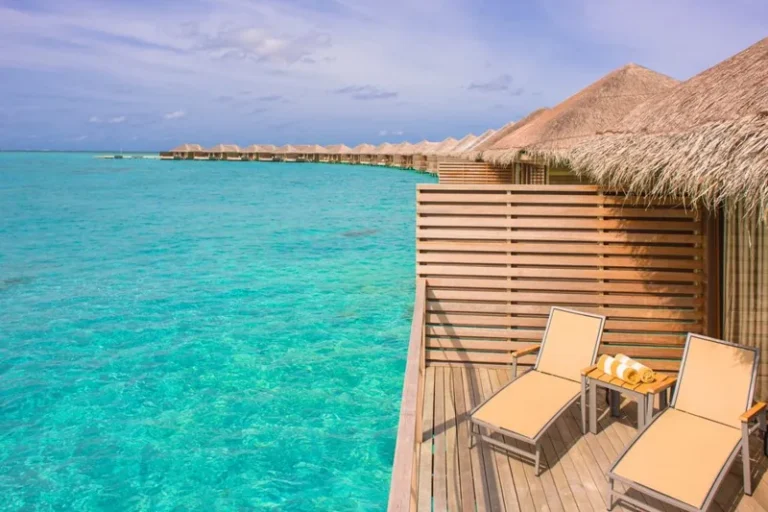
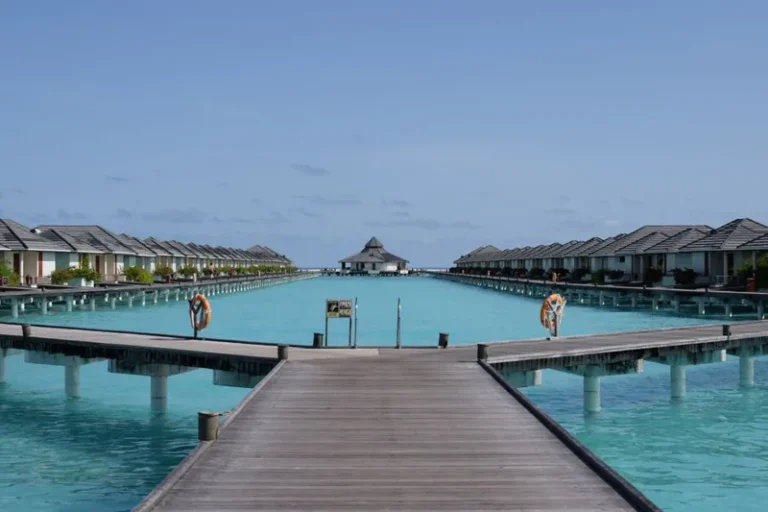
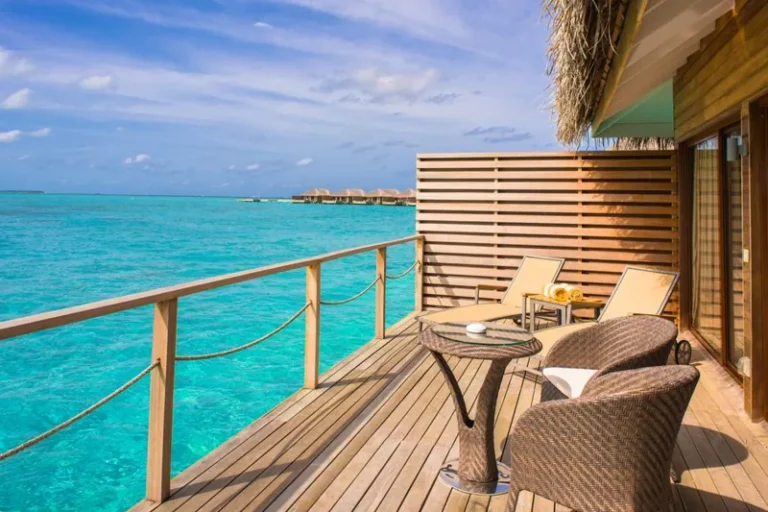
An overwater bungalow is a freestanding villa built on stilts above a lagoon, connected to the shore (and its neighbors) by a wooden walkway. Unlike a beach villa, an overwater unit puts the water directly beneath you. Most include a private sundeck, an outdoor shower, a ladder or steps into the lagoon, and a glass floor panel for fish-watching from your bed.
Three features separate a great bungalow from a mediocre one. First, water depth and clarity: you want at least waist-deep, swimmable water with visible sand. Second, privacy: the best resorts space their walkways and angle the decks so neighbors stay out of view. Third, orientation: sunrise-facing units catch morning light, whereas sunset-facing units win for evening cocktails.
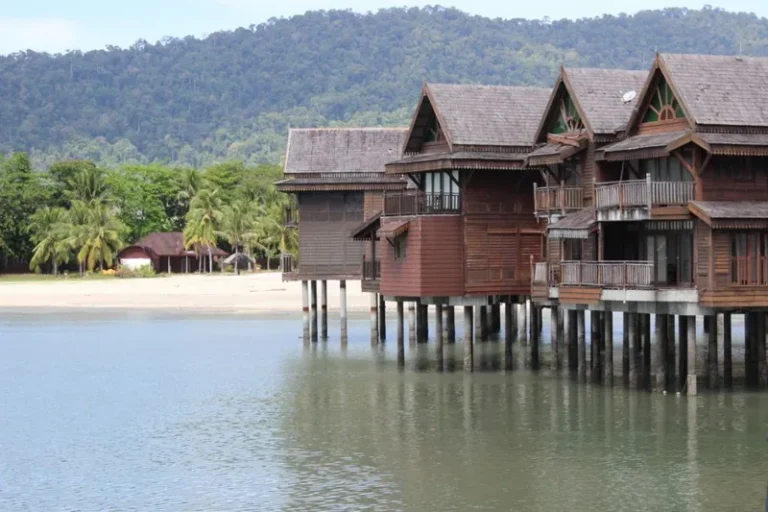
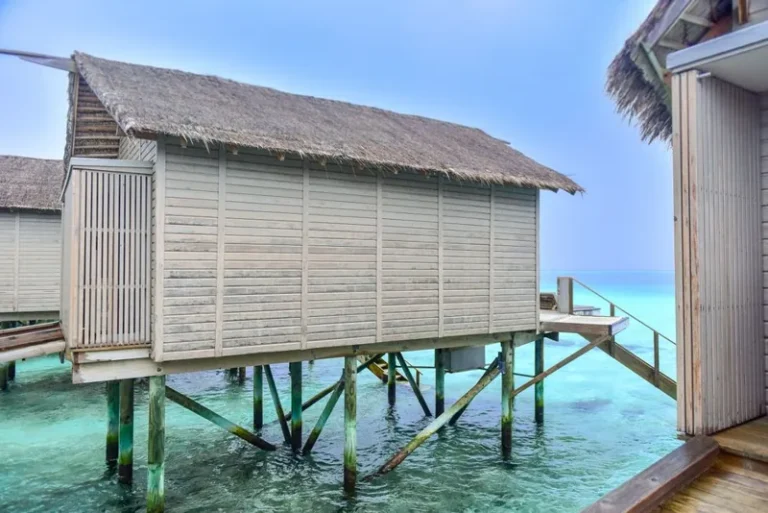
Moreover, check whether the bungalow has direct ocean access. Some overwater units sit above shallow, stagnant water where swimming is unpleasant. Others sit over a live reef. That difference alone can make or break the trip.
The Best Overwater Bungalow Resorts by Region
Choosing a region is the biggest decision you’ll make. After that, everything else follows. Below, we break down the top destinations and the standout properties in each.
French Polynesia: The Original and Still the Best
The overwater bungalow was born at the Hotel Bora Bora in 1967. Today, French Polynesia remains the gold standard. Specifically, Bora Bora’s Mount Otemanu backdrop creates a lagoon setting no other destination matches.
Standout properties include:
- Four Seasons Resort Bora Bora — Spacious overwater suites with a view of Otemanu, plus a superb lagoon sanctuary where you can snorkel with rays.
- Conrad Bora Bora Nui — Hillside and overwater villas on a private motu, with some of the largest plunge pools in the lagoon.
- Sofitel Bora Bora Private Island — Smaller and quieter, with jaw-dropping Mount Otemanu views from every deck.
- InterContinental Bora Bora Thalasso — Famous for its deep-ocean-facing overwater villas and seawater spa.
For a cheaper alternative, consider Moorea. The Hilton Moorea Lagoon Resort and Sofitel Moorea La Ora Bay offer overwater bungalows at roughly 30% less than Bora Bora, and the island’s beauty rivals its famous neighbor.
The Maldives: Best Value and Best Snorkeling
The Maldives has overwater villas in every price bracket. In fact, you can find entry-level overwater rooms here for under $500 per night, something impossible in French Polynesia. Furthermore, the house reefs are outstanding. At many resorts, you can snorkel with turtles and reef sharks ten steps from your deck.
Top picks include Soneva Fushi and Kudadoo Maldives for ultra-luxury, Hurawalhi and Kuredu for mid-range value, and Adaaran Select Hudhuranfushi for budget-conscious travelers. Keep in mind that seaplane transfers add $300–600 per person, so factor that into your budget.
The Caribbean and Central America: Closest to Home
Until recently, the Caribbean had almost no overwater bungalows. Now, thankfully, several options exist within a few hours of Miami. For example, Jamaica’s Sandals South Coast and Sandals Royal Caribbean built overwater villas with butler service. In addition, Panama’s Punta Caracol Acqua Lodge in Bocas del Toro offers rustic-chic overwater cabanas at a fraction of Polynesian prices.
For more options in the region, browse our guides to the best resorts in the Caribbean and best resorts in Mexico.
Comparison Table: Overwater Destinations at a Glance
| Region | Typical Nightly Rate (2 people) | Best For | Flight Time from U.S. East Coast | Swim-From-Deck Quality |
|---|---|---|---|---|
| Bora Bora, French Polynesia | $900–$2,500 | Honeymoons, scenery | 15–18 hrs | Excellent |
| Moorea, French Polynesia | $650–$1,400 | Value in Polynesia | 14–17 hrs | Very good |
| The Maldives | $400–$3,000 | Snorkeling, range of budgets | 18–22 hrs | Excellent |
| Jamaica (Sandals) | $1,500–$3,000 | All-inclusive convenience | 2–4 hrs | Good |
| Bocas del Toro, Panama | $300–$700 | Budget adventure | 5–7 hrs | Good |
How Much Does an Overwater Bungalow Actually Cost?
Let’s talk real numbers. In Bora Bora, overwater bungalow resorts typically charge $900–$2,500 per night in high season, plus a nightly tourist tax and resort fees. Meanwhile, a week-long stay often costs $10,000–$15,000 for two people including meals and activities.
The Maldives runs the full spectrum. For instance, budget overwater villas start around $400 per night, while top-tier resorts like Soneva exceed $3,000. However, food costs add up fast on remote islands, so all-inclusive meal plans often save money here.
In the Caribbean, Sandals overwater villas sit at the premium end ($1,500+ per night), yet they include everything: food, drink, watersports, and tips. As a result, the sticker price looks high but the total bill often lands below a comparable French Polynesian trip once you add flights.
Three money-saving tips work everywhere. First, travel in shoulder season (April–May or October–November in most regions). Second, book partial-overwater or lagoon-view categories rather than premium horizon units. Third, use points. For example, Hilton Honors points redeem well at the Hilton Moorea, and Marriott Bonvoy works at several Maldivian properties.
How to Choose the Right Overwater Bungalow for You
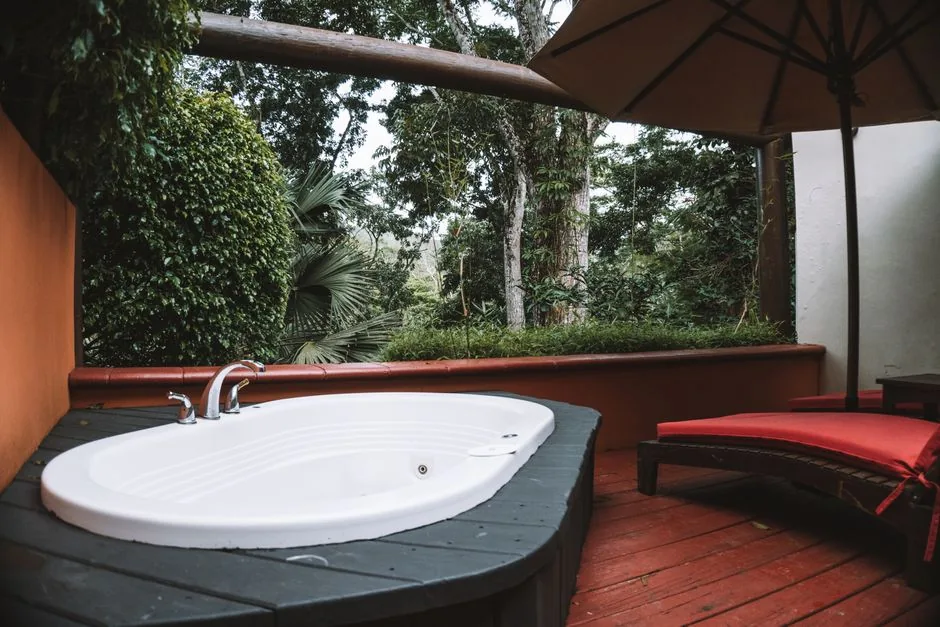
Start with your priorities. If scenery tops your list, choose Bora Bora. If snorkeling matters most, pick a Maldivian resort with a strong house reef. If you hate long flights, stay in the Caribbean.
Next, consider these deal-breakers:
Deck and Water Access
Insist on a private deck with direct ladder access into the water. Some older resorts only offer stairs at the end of a shared pontoon. Additionally, check recent guest photos on TripAdvisor — marketing images often flatter the water clarity.
Privacy and Position
Ask for an end-of-pier bungalow. These units have no neighbors on one side, which dramatically increases privacy. Also, sunrise-side units stay cooler in the afternoon, so they’re more comfortable for daytime lounging.
Room Category Traps
Resort names can mislead. For example, an “overwater bungalow with lagoon view” sometimes faces a shallow sandbar rather than open water. Therefore, always check the resort map before booking and confirm your unit’s location in writing.
Getting There
Finally, calculate transfer costs and times. Bora Bora requires a flight from Tahiti plus a boat transfer. The Maldives often needs a seaplane. Meanwhile, Tahiti’s official tourism site, Tahiti Tourisme, publishes detailed transfer guides worth reading before you book.
Best Times to Book Overwater Bungalow Resorts
Timing changes everything. In French Polynesia, the dry season runs May through October, with July and August as the busiest (and priciest) months. April, May, and November offer better rates and thinner crowds with only slightly higher rain risk.
The Maldives flips that pattern. Its dry season runs December through April, and the monsoon arrives May through November. However, monsoon showers often pass quickly, so low-season deals can be excellent value.
The Caribbean stays warm year-round, though hurricane season (June–November) brings risk. On the other hand, that same window delivers the year’s lowest rates on overwater villas in Jamaica.
Book 6–12 months ahead regardless of region. Overwater units are the scarcest room category at every resort. Consequently, they sell out first, especially horizon-facing units in peak season. If you’re planning a wider trip, our guide to all-inclusive resorts in Cancun can help you pair an overwater splurge with a longer Mexico stay.
Mistakes to Avoid at Overwater Bungalow Resorts
Even seasoned travelers make these errors. Avoid them and you’ll enjoy your stay far more.
First, skipping the meal plan at remote resorts. On private motus and Maldivian islands, there are no outside restaurants. Therefore, prepaid meal plans usually beat à la carte pricing by 20–30%.
Second, overpacking heels and formal wear. Overwater resorts are barefoot-luxury. Flip-flops and shorts cover every dinner, with rare exceptions at a few ultra-luxury properties.
Third, assuming all water is swimmable. Before booking, read reviews about the water beneath the bungalows. Some lagoons have sea urchins, coral, or thick sea grass that make deck swimming unpleasant.
Fourth, forgetting reef-safe sunscreen. French Polynesia legally requires it, and several other destinations are following suit. Plus, it protects the very reef you came to see.
Finally, ignoring the tide. Some bungalows sit above water that gets shallow at low tide. Ask the resort about tidal range if swimming from your deck is a priority.
FAQ About Overwater Bungalow Resorts
Are overwater bungalows worth the money?
Yes, for most travelers, as a once-in-a-lifetime splurge. The experience of waking up over a lagoon, snorkeling from your deck, and watching sunset from a private overwater net is genuinely unmatched. That said, two nights often feels sufficient if budget is tight. Consequently, many travelers split their stay: two nights overwater, then several cheaper nights in a garden or beach villa.
Which destination has the cheapest overwater bungalows?
The Maldives offers the lowest entry prices, with some overwater villas under $500 per night in low season. Panama’s Bocas del Toro is cheaper still, from around $300 per night, though the properties are far more rustic. In contrast, French Polynesia rarely dips below $800 per night.
Do overwater bungalows have air conditioning?
Nearly all do. In fact, modern overwater bungalow resorts in French Polynesia, the Maldives, and the Caribbean include air conditioning, ceiling fans, and plenty of shade on the deck. Some eco-lodges in Panama run on limited solar power, so confirm before booking if AC matters to you.
Can you swim directly from an overwater bungalow?
At most resorts, yes. Look for units with a private ladder or steps leading off the deck. However, water depth varies by unit position and tide. For that reason, request a bungalow over deeper, clearer water when you book.
Are overwater bungalows safe in storms?
Modern bungalows are engineered for their environment. Resorts monitor weather closely and evacuate guests when serious storms approach. Still, hurricane season carries real risk in the Caribbean, so consider travel insurance and flexible cancellation policies during June–November.
Final Thoughts: Planning Your Overwater Escape
Overwater bungalow resorts remain travel’s most romantic splurge, and they’re more accessible than ever. French Polynesia offers the scenery, the Maldives delivers the value and reefs, and the Caribbean keeps flight times short. Pick your region based on budget and priorities, book early, and choose your unit’s position carefully.
Ready to start planning? Explore Staylora’s destination guides for more resort recommendations, itinerary ideas, and money-saving tips. Then grab your reef-safe sunscreen — the lagoon is waiting.