Best Luggage for International Travel: How to Choose Bags That Survive Every Trip
The best luggage for international travel is a 24–26 inch hardside spinner with 360-degree wheels, a TSA-approved lock, and a weight under 10 pounds. Pair that checked bag with a well-built carry-on, and you cover roughly 95% of international trips, from weekend hops to London to three-week circuits through Southeast Asia. Everything else, such as size, material, and brand, depends on how you travel.
After more than a decade of writing about travel and dragging bags across six continents, I have learned one lesson the hard way: cheap luggage fails at the worst possible moment. A cracked shell in Lisbon. A busted zipper in Bangkok. Therefore, this guide focuses on durability, airline compliance, and real-world usability, not marketing fluff.
Below, you will find a breakdown of luggage types, a comparison table, size guidance for major international carriers, and answers to the questions travelers ask most. As a result, you can buy once and travel for years.
What Makes Luggage “International-Ready”?
Domestic luggage rules are forgiving. International rules are not. So, before you buy, check these four factors.
First, size limits shrink abroad. Most international airlines cap carry-ons at 21.5–22 inches tall, including wheels. Meanwhile, budget carriers like Ryanair and Jetstar measure bags at the gate and charge steep fees for oversize items.
Second, weight matters more than size. Many Asian and European carriers limit checked bags to 50 pounds, but some, such as airlines operating domestic routes in Australia or intra-Asia flights, drop to 44 pounds. Consequently, a lighter suitcase gives you more packing allowance.
Third, locks and zippers need to meet security standards. US-bound bags require TSA-approved locks. However, other countries use different screening systems. Look for luggage with recessed, TSA-compliant locks and self-repairing zippers.
Fourth, wheels must handle bad surfaces. Cobblestones in Prague, cracked sidewalks in Hanoi, and train platforms in Rome punish cheap wheels. Therefore, choose spinner wheels set on the outside of the case, or better yet, high-quality polyurethane wheels with sealed bearings.
Best Luggage Types for International Travel Compared
Different trips call for different bags. For instance, a two-week business trip to Tokyo needs different luggage than a six-month backpacking run through South America. Here is how the main types stack up.
| Luggage Type | Best For | Typical Weight | Durability | Price Range |
|---|---|---|---|---|
| Hardside spinner (24–26″) | Trips of 1–3 weeks | 7–10 lbs | Excellent | $150–$400 |
| Softside spinner (25″) | Frequent packers, expandability | 7–9 lbs | Good | $100–$300 |
| Carry-on spinner (20–22″) | Trips under 10 days | 6–8 lbs | Excellent | $120–$350 |
| Travel duffel (wheeled) | Adventure travel, odd gear | 5–8 lbs | Very good | $150–$350 |
| Travel backpack (35–45L) | Hostels, multi-stop routes | 3–5 lbs | Good | $150–$300 |
Overall, hardside spinners win for most international travelers. They protect fragile souvenirs, shrug off rain, and survive baggage handlers. On the other hand, softside bags flex into tight overhead bins and often add 2 inches of expansion. If you cannot decide, read our detailed breakdown at /hard-vs-soft-luggage/.
Hardside vs. Softside: Which Survives International Travel Better?
Hardside suitcases
Polycarbonate shells, such as those used by Away, Samsonite, and Travelpro, absorb impacts and return to shape. In addition, they protect wine bottles, ceramics, and electronics in checked bags. The downside? Scratches show quickly, and fixed shells offer no expansion.
Softside suitcases
Ballistic nylon bags, like those from Briggs & Riley and Eagle Creek, resist tears and often include exterior pockets for last-minute items. Moreover, many softside bags expand by 15–25%, which helps on the return leg when souvenirs multiply. However, they absorb water in heavy rain and offer less crush protection.
In short, choose hardside for checked bags and mixed climates. Choose softside if you overpack or want external organization.
Best Carry-On Luggage for International Flights
A reliable carry-on is arguably more important than your checked bag. After all, if the airline loses your luggage, the carry-on keeps you functional for 48 hours. For that reason, we treat it as a core piece of the best luggage for international travel.
Look for these features:
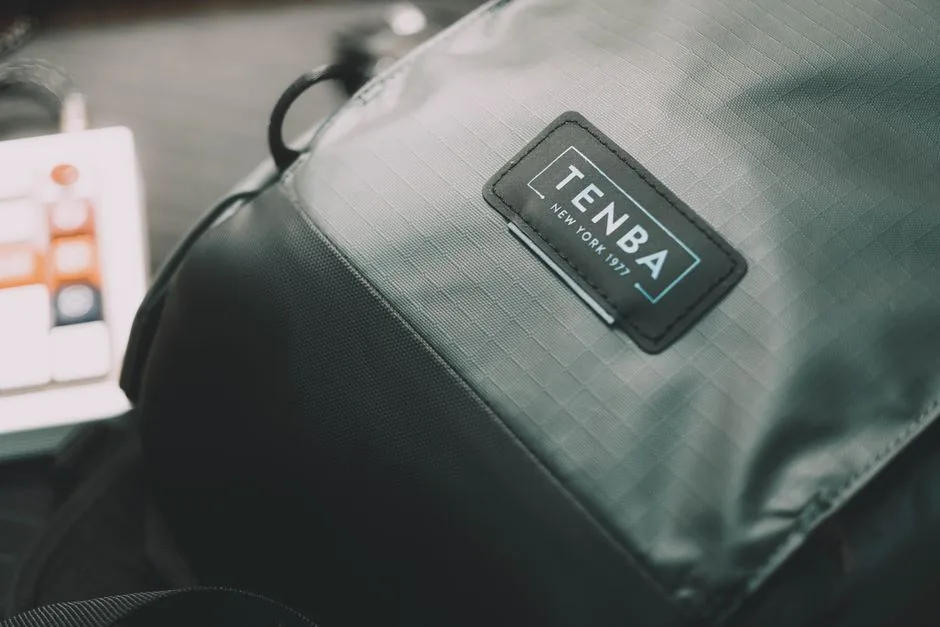
- Dimensions under 22 x 14 x 9 inches, including wheels, to satisfy most full-service international carriers.
- A laptop compartment that lies flat for faster security screening.
- Four spinner wheels, because two-wheel bags strain wrists during long terminal walks.
- A compression system or expandable zipper for flexibility.
Brands like Travelpro Platinum Elite, Away Bigger Carry-On (check dimensions for European carriers), and Samsonite Omni consistently earn top marks from frequent flyers. For a deeper dive, see our full review at /best-carry-on-luggage/.
Size Guide: Matching Your Suitcase to Your Trip Length
Choosing the right size prevents both overpacking fees and under-packing frustration. Use this quick guide:
- 20–22 inches (carry-on): Trips up to 7–10 days with laundry access. Ideal for Europe, where intra-continental flights charge for checked bags.
- 24–25 inches (checked): Trips of 1–2 weeks. This size holds two weeks of clothes yet stays under 50 pounds when packed sensibly.
- 26–28 inches (checked): Trips over 2 weeks, family travel, or relocation. However, bags this size fill past weight limits quickly.
Additionally, check your specific carrier before flying. For example, IATA’s baggage guidance explains how airlines set carry-on standards. Similarly, Kayak’s baggage fee comparison shows fees by airline before you book.
Features Worth Paying For (and Ones to Skip)
Worth the money
- Lifetime warranty. Brands like Briggs & Riley and Eagle Creek repair bags for life. Consequently, a $400 bag can cost less over 10 years than three $150 replacements.
- YKK or Ravlon zippers. Zipper failure ends a suitcase’s life faster than anything else.
- Aluminum or magnesium handles. Plastic telescoping handles snap under checked-bag stress.
- Replaceable wheels. Some premium brands sell replacement wheel sets, which extends bag life by years.
Skip these gimmicks
- Built-in phone chargers add weight and eventually stop working.
- GPS trackers embedded in the shell. A $30 Apple AirTag in a pocket does the same job.
- Overly thin “ultralight” shells. Yes, they weigh less. But they crack sooner, too.
Packing Strategies That Make Any Luggage Work Better
Even the best bag fails when packed poorly. So, follow these field-tested rules.
First, use compression packing cubes. They cut packed volume by 20% and keep outfits organized. Next, roll clothes instead of folding, which reduces wrinkles in softside bags. Then, place shoes along the wheel end to lower the center of gravity.
Moreover, distribute weight carefully. Keep electronics and documents in your carry-on, never in checked bags. Similarly, pack a change of clothes and toiletries under 3.4 ounces in your personal item. For a complete checklist, grab our guide at /carry-on-essentials/.
Finally, weigh your bag before you leave. A $20 luggage scale pays for itself after avoiding one overweight fee at the airport.
FAQ: Best Luggage for International Travel
Is hard or soft luggage better for international travel?
Hardside luggage is better for most international trips. Specifically, polycarbonate shells protect contents during rough handling and block moisture. However, softside bags suit travelers who need expansion or exterior pockets. In either case, prioritize quality wheels and zippers over shell material.
What size suitcase do I need for a two-week international trip?
A 24–25 inch checked suitcase works best for most travelers on a two-week trip. This size fits roughly 10–14 outfits plus shoes and toiletries. Meanwhile, disciplined packers can manage two weeks with a 22-inch carry-on, especially in destinations with laundry services.
Do international airlines really weigh carry-on bags?
Yes, many do. For example, airlines in Asia, the Middle East, and Oceania frequently weigh carry-ons at check-in, with limits between 15 and 22 pounds. Budget European carriers, meanwhile, focus on size and enforce sizer cages at gates. Therefore, check your airline’s rules before packing.
How much should I spend on luggage for international travel?
Expect to pay $150–$300 for a durable checked bag and $100–$250 for a quality carry-on. Premium brands above $400 add lifetime warranties and better materials. Overall, mid-range bags from Travelpro, Samsonite, or Delsey balance cost and longevity well.
Should I bring a suitcase or a backpack for international travel?
It depends on your route. Suitcases with spinner wheels excel in cities with airports, trains, and paved streets. Conversely, backpacks win for hostels, rural areas, and destinations with rough terrain. If you mix both, a wheeled 35–40L duffel covers the middle ground.
Final Thoughts: Buy Once, Travel Confidently
The best luggage for international travel combines three traits: durable construction, airline-compliant dimensions, and weight you can actually lift into an overhead bin. A 24–26 inch hardside spinner paired with a 21-inch carry-on handles nearly every itinerary. Beyond that, smart packing matters more than brand names.
Remember to verify your airline’s size and weight rules before every trip, since policies change often. Then, invest in a quality bag with a strong warranty, pack with compression cubes, and weigh everything at home.
Ready to plan your next adventure? Explore more Staylora packing guides, start with our carry-on essentials checklist, and travel lighter, smarter, and stress-free.