

Hotel vs Airbnb: Which One Should You Book for Your Next Trip?
So, hotel vs Airbnb — which one wins? The honest answer: hotels win for short city stays, business trips, and hassle-free service. Airbnb wins for longer trips, groups, and travelers who want a kitchen, laundry, and a neighborhood feel. Price alone no longer decides it, because cleaning fees and resort fees have blurred the lines on both sides.
Here is the short version. Book a hotel when you stay two or three nights, you value a front desk and daily housekeeping, or you might need to cancel. Book an Airbnb when you stay a week or more, you travel with family or friends, or you want to cook and live like a local.
In this guide, I break down the hotel vs Airbnb decision across cost, space, amenities, location, safety, and flexibility. I have spent hundreds of nights in both over the past decade — from boutique hotels in Lisbon to a farmhouse rental outside Kyoto — and the differences matter more than most articles admit. By the end, you will know exactly which one fits your next trip.
The Quick Comparison: Hotel vs Airbnb at a Glance
First, look at the headline differences side by side. After that, we dig into each factor in detail.
| Factor | Hotel | Airbnb |
|---|---|---|
| Best for | Short stays, city breaks, business | Long stays, groups, families |
| Nightly price | Often higher | Often lower (before fees) |
| Total cost | Predictable | Cleaning + service fees can add 20–40% |
| Space | One room plus lobby | Entire apartment or house |
| Kitchen | Rare, except extended-stay brands | Almost always included |
| Service | 24/7 front desk, housekeeping | Self check-in, host on message |
| Cancellation | Usually 24–48h before arrival | Varies wildly by listing |
| Loyalty perks | Points, upgrades, status | Rarely any |
| Consistency | Brand standards | Varies listing to listing |
Notice the pattern. Hotels trade space for service and predictability. Airbnbs trade service for space and flexibility. Your trip type determines which trade-off is worth it.
Cost: Which One Is Actually Cheaper?
The sticker price lies
On paper, an Airbnb listing at $95 a night looks cheaper than a $140 hotel room. However, that Airbnb often carries a $75 cleaning fee, a service fee around 14%, and sometimes extra guest fees. For a two-night stay, the true total can exceed $300 — more than the hotel.
Hotels play this game too. Resort fees in cities like Las Vegas or Orlando can add $40 to $50 per night. Therefore, always compare the final checkout price, never the nightly rate.
Length of stay changes everything
For stays of one to three nights, hotels usually win on total cost. For weekly or monthly stays, Airbnb pulls ahead decisively. Many hosts offer 10% to 50% discounts for week-long bookings, and Airbnb itself applies automatic monthly discounts. Meanwhile, you save real money by cooking breakfast and doing laundry instead of eating out and paying for wash-and-fold.
Hidden costs to count
Add these up before you decide:
- Airbnb: cleaning fees, service fees, pet fees, and the chores some hosts require (trash out, dishwasher loaded, towels washed).
- Hotel: parking ($25–$60 a night in US cities), breakfast, Wi-Fi at budget chains, and minibar temptation.
- Both: local taxes and city tourist fees, which appear at checkout on both platforms.
For a deeper look at the fee structures on both sides, see our breakdown at /airbnb-vs-hotel-pros-and-cons/.
Space, Privacy, and Living Like a Local

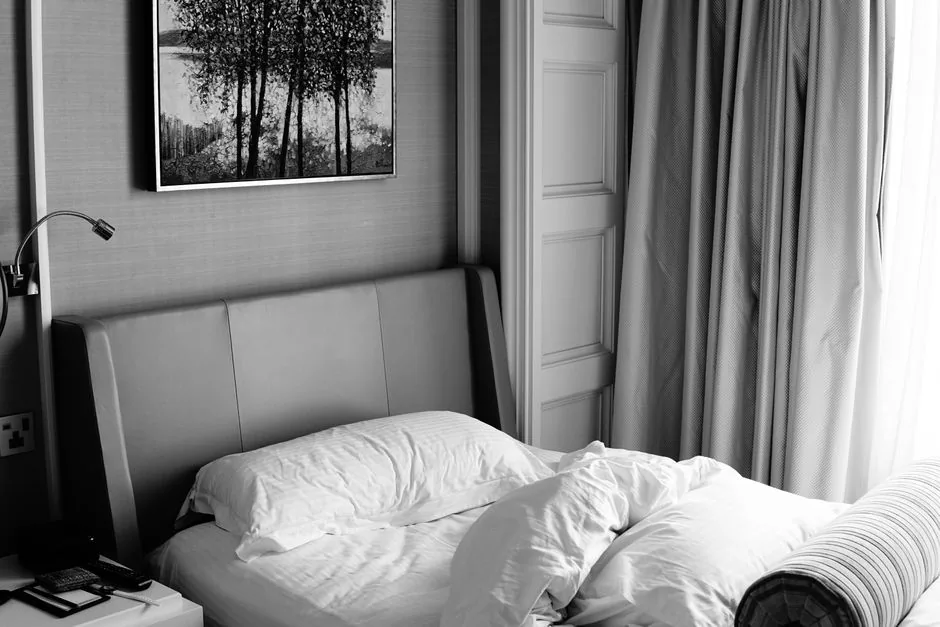
This is where Airbnb shines, frankly. A typical hotel room gives you 250 to 350 square feet, a bed, a desk, and a bathroom. A two-bedroom Airbnb can give you 900 square feet, a full kitchen, a living room, and a washing machine. For a family of four, that difference decides whether the trip feels relaxed or cramped.
Airbnbs also place you in real neighborhoods. During a week in Mexico City, my rental in Roma Sur sat above a bakery and next to a taco stand — an experience no hotel zone replicates. You shop at the local market. You learn which corner store sells the good coffee.
However, privacy cuts both ways. Some Airbnb listings are shared homes or have host-controlled cameras in common areas (inside cameras are banned, but check exterior ones). Meanwhile, a hotel room is yours alone, period. Nobody watches you come and go, and nobody asks about your checkout routine beyond the standard time.
Service, Amenities, and Daily Comfort
What hotels do better
Hotels deliver services that Airbnbs simply cannot match:
- Daily housekeeping — fresh towels and a made bed every day.
- 24/7 front desk — lost key at 2 a.m.? Solved in minutes.
- On-site dining — room service and breakfast without leaving the building.
- Concierge — restaurant reservations, tour bookings, local advice.
- Facilities — pools, gyms, spas, and business centers, depending on the property.
Business travelers should also weigh loyalty programs. Marriott Bonvoy, Hilton Honors, and World of Hyatt give free nights, upgrades, and late checkout. Those perks stack into serious value if you travel often. Airbnbs offer almost nothing comparable.
What Airbnbs do better
Airbnbs counter with practical, home-style amenities:
- A full kitchen, which saves $30 to $70 per day on restaurants.
- A washer and dryer, essential for long trips and families with kids.
- Multiple bedrooms, so parents and children each get real sleep.
- Free parking at many suburban and rural listings.
- Pets allowed far more often than hotels permit.
In short, hotels serve you. Airbnbs equip you. Decide whether you want to be served or self-sufficient.
Location: Where Each One Puts You
Hotels cluster in central business districts, near airports, and along resort strips. That placement puts you close to major sights, transit hubs, and conference centers. For a two-night city break in, say, Chicago, a hotel on the Magnificent Mile beats a cheaper Airbnb a 30-minute train ride away.
Airbnbs spread across residential neighborhoods instead. Consequently, you often get quieter streets, local cafés, and lower prices — but longer commutes to the main attractions. Before booking any Airbnb, check the transit route to the places you actually plan to visit, not just the pin on the map.
One more location factor: reliability. If a hotel overbooks, the front desk walks you to a comparable property nearby. If an Airbnb host cancels a week before your trip, you scramble. That risk concentrates heavily around big events, when hosts cancel to rebook at higher rates.
Safety, Security, and Trust
Hotels carry commercial safety obligations: fire codes, sprinkler systems, inspected exits, security staff, and in-room safes. Brands also maintain standards across properties, so a Hampton Inn in Denver looks and operates much like one in Atlanta. That consistency reduces surprises.
Airbnb safety varies listing by listing. Most hosts are honest and their properties are perfectly secure. Still, you should check reviews for mentions of neighborhood safety, confirm smoke detectors and CO detectors are listed in the amenities, and read the cancellation and check-in instructions carefully before paying.
For first-time renters, our checklist at /airbnb-tips-for-guests/ covers exactly what to verify before you book — review history, host response rate, and the red flags worth walking away from.
Cancellation and Flexibility
Life happens, and cancellation policies decide how badly it hurts.
Hotels typically allow free cancellation until 24 to 48 hours before check-in. That flexibility is gold for uncertain plans. Some rates are non-refundable, sure, but those rates come with a clear discount as compensation.
Airbnb policies range from flexible (full refund up to 24 hours before arrival) to strict (50% refund until one week out, then nothing). Hosts set their own terms, so two identical-looking apartments can carry completely different rules. Always click into the policy before booking, because the listing page does not always highlight it.
When to Choose a Hotel (and When to Choose an Airbnb)
Choose a hotel when:
- You stay 1–4 nights in a city.
- You travel for work and need receipts, Wi-Fi, and predictability.
- You want daily housekeeping and an on-site restaurant.
- Your plans might change and you need free cancellation.
- You arrive late at night or fly solo and value a staffed front desk.
- You collect loyalty points and travel frequently.
Choose an Airbnb when:
- You stay a week or longer.
- You travel with kids or a group and need separate bedrooms.
- You want to cook some meals and do laundry.
- You prefer residential neighborhoods over tourist zones.
- You need a pet-friendly or remote-work-friendly setup.
- You rent with a large group and want shared common space.
FAQ: Hotel vs Airbnb
Is Airbnb cheaper than a hotel?
Often yes for long stays, often no for short stays. Cleaning and service fees can add 20% to 40% to an Airbnb bill, which erases the savings on a one- or two-night booking. For stays of a week or more, Airbnb usually wins clearly, especially with weekly discounts and kitchen savings.
Is Airbnb safe compared to a hotel?
Both are generally safe, but the models differ. Hotels follow commercial fire codes and employ security staff consistently. Airbnb safety depends on the individual host and property, so read recent reviews closely, confirm smoke and CO detectors, and choose listings with strong host ratings and verified ID.
Do hotels or Airbnbs have better cancellation policies?
Hotels, on average. Most hotel rates cancel free until 24–48 hours before arrival. Airbnb policies range from flexible to strict, and the host sets them. Check the specific policy on every Airbnb listing before you book.
Which is better for families: hotel or Airbnb?
Airbnb, in most cases. Separate bedrooms, a kitchen for picky eaters, and a washing machine make family travel dramatically easier. However, hotels win for short trips, because housekeeping and on-site breakfast reduce the daily logistics.
Can you get Airbnb-like space without the risks?
Yes, partly. Extended-stay chains like Residence Inn and Element offer kitchens and laundry with hotel service and cancellation terms. Serviced apartments in cities like London and Singapore occupy the same middle ground. Compare those against Airbnb before committing.
Final Verdict
The hotel vs Airbnb question has no universal answer, only a trip-specific one. Hotels deliver service, security, and flexibility — the right call for short city stays and business travel. Airbnbs deliver space, kitchens, and neighborhood living — the right call for long trips and groups. Price the total, not the nightly rate, and match the choice to the trip, not the habit.
Want to sharpen your booking skills further? Read our full fee comparison at /airbnb-vs-hotel-pros-and-cons/, grab the guest checklist at /airbnb-tips-for-guests/, and browse more accommodation guides here on Staylora. Your next trip deserves the right bed under it.