
Travel Safety Tips Every Traveler Should Know Before Departure
The best travel safety tips come down to preparation, awareness, and a few smart habits: research your destination before booking, secure your documents digitally, split your cash and cards, stay alert in crowds, and trust your instincts when something feels off. None of these require expensive gear or paranoia. Rather, they demand a small amount of planning that pays off for the entire trip.
Most travelers who run into trouble abroad skipped the basics. They flashed cash at a busy market, connected to an unsecured airport Wi-Fi network, or left their only passport copy in a checked bag. Consequently, a dream vacation turned into hours at a consulate or a police station.
This guide breaks down proven travel safety tips into simple, actionable steps. You will learn how to prepare before departure, protect your belongings on the road, avoid common scams, and handle emergencies if they happen. Whether you fly once a year or live out of a suitcase, these habits will keep you calmer and safer everywhere you go.
Research Your Destination Before You Book
Safety starts weeks before you pack. First, check the official travel advisories for your destination. The U.S. State Department’s travel advisories page ranks every country from Level 1 (exercise normal precautions) to Level 4 (do not travel). Similarly, UK travelers can consult FCDO foreign travel advice for country-specific guidance.
Next, dig deeper than the headlines. A country may carry a Level 2 advisory while the city you plan to visit is perfectly calm. Therefore, read recent traveler reports on forums like Reddit or TripAdvisor, and check local English-language news for your specific region.
What to research specifically
- Neighborhoods: Which areas have higher crime rates? Where do locals recommend staying?
- Common scams: Every destination has its own. Barcelona has the “bird poop” pickpocket trick; Bangkok has the closed-temple tuk-tuk detour.
- Local laws: Some countries ban e-cigarettes, certain medications, or vaping in public. Ignorance will not protect you from a fine.
- Emergency numbers: Save the local equivalents of 911 before you land.
- Medical infrastructure: Know where the nearest reputable hospital or clinic sits relative to your hotel.
Finally, register your trip if your government offers a program, such as STEP for U.S. citizens. In a natural disaster or civil unrest event, embassies use these registries to locate and assist citizens.
Protect Your Documents and Money
Documents and cash cause more travel headaches than almost anything else. Luckily, a few habits prevent nearly all of it.
Digitize everything
Split your money and cards
Never carry all your funds in one place. Instead, follow this simple split:
| Item | Where to Keep It |
|---|---|
| Daily spending cash | Wallet or front pocket |
| Backup credit card | Hotel safe or hidden pouch |
| Second form of ID | Separate bag from your passport |
| Emergency cash ($100 equiv.) | Inside a shoe, sock, or luggage lining |
| Passport | Hotel safe (carry a copy when possible) |
Use ATMs wisely
Choose ATMs inside banks or well-lit, busy locations. Skimmers target machines on quiet streets and in convenience stores. Additionally, cover the keypad while typing your PIN, and check your account a few hours later for suspicious activity.
Travel Safety Tips for Your Belongings on the Road
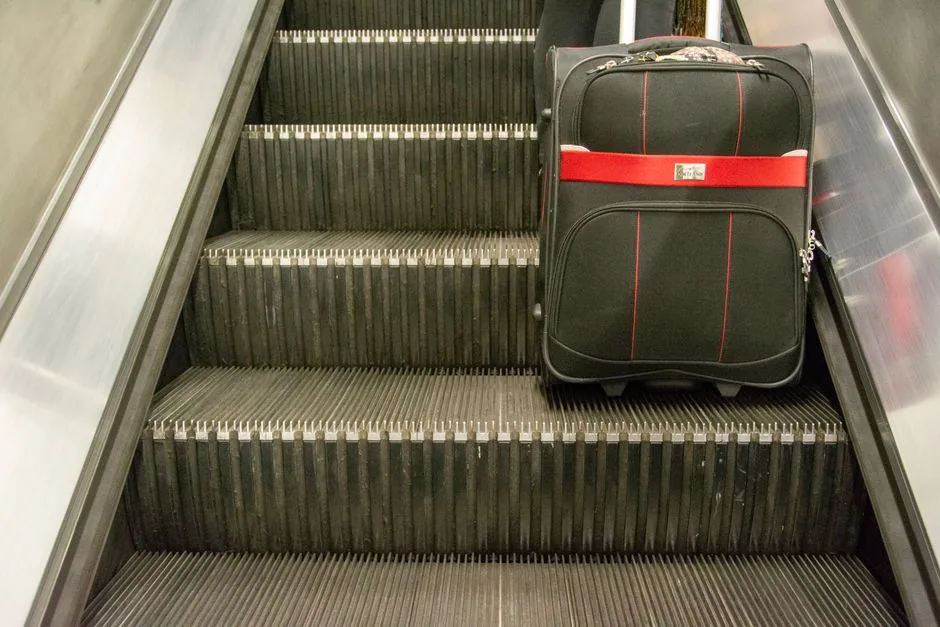
Petty theft remains the most common crime travelers face. However, thieves look for easy targets, and small changes make you a harder one.
Deter pickpockets
Pickpockets work crowds: metro cars, street markets, festival squares, and famous landmarks. Rome’s Termini station, Paris’s Line 1 metro, and Barcelona’s La Rambla all earn their reputations. Therefore:
- Carry bags in front of your body, zippers facing inward.
- Use a crossbody bag with a zipper and interior pockets rather than an open tote.
- Keep phones in front pockets, never back pockets or open jacket pockets.
- Stay alert during distractions. Someone bumping into you, spilling a drink, or starting an argument often works with a partner lifting your valuables.
Choose luggage that resists tampering
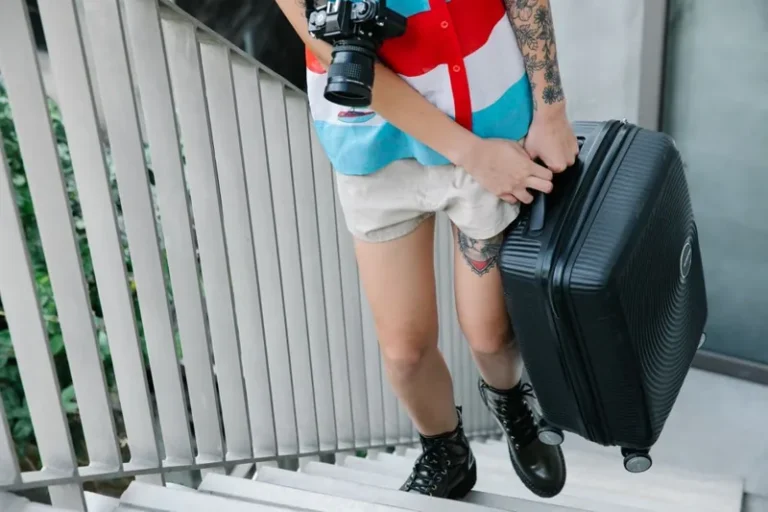
Hard-sided suitcases with TSA-approved locks protect contents far better than soft bags with exposed zippers. Zipper pulls can be pierced and opened in seconds by anyone with a pen. For a deeper comparison before you buy, read our guide on hard vs. soft luggage to see which shell type suits your itinerary.
Never leave bags unattended
Bags disappear from café chairs, train luggage racks, and even hotel lobbies within moments. Always keep a strap looped around your leg or arm. On trains, lock your bag to the rack and keep valuables in a daypack on your lap.
Stay Safe With Technology and Public Wi-Fi
Your data needs protection as much as your wallet. Public Wi-Fi networks at airports, cafés, and hotels sit among the least secure connections you will ever use.
Use these digital safeguards
- Install a VPN before departure. Turn it on whenever you join public Wi-Fi. Free airport networks with convincing names (“Free_Airport_WiFi_5”) are sometimes rogue hotspots set up to capture your traffic.
- Turn off auto-connect. Disable your phone’s setting that automatically joins open networks.
- Enable two-factor authentication on email, banking, and booking accounts before you leave home.
- Avoid banking on public networks. If you must check your balance, use cellular data instead.
- Set up “Find My Device” (iOS) or “Find My Device” (Android) so you can locate or wipe a stolen phone remotely.
Also, disable lock-screen notifications for email and messaging apps. A stolen phone that shows verification codes on the lock screen hands thieves the keys to everything.
Health and Medical Travel Safety Tips
Your body handles new climates, foods, and pathogens on every trip. Prepare for that reality instead of hoping for the best.
Before you leave
Visit a travel clinic four to six weeks before departure for any required or recommended vaccinations. Yellow fever certificates, for example, gate entry into several African and South American countries. Meanwhile, check whether your prescription medications are legal at your destination. Japan restricts some common ADHD medications, and the UAE has strict rules on certain painkillers. Carry medications in original packaging with a copy of the prescription.
On the trip
- Drink bottled or filtered water in regions where tap water is unsafe, and skip ice in those places too.
- Pack a small medical kit: bandages, antiseptic wipes, anti-diarrheal medication, pain relievers, rehydration salts, and any personal prescriptions.
- Apply sunscreen and stay hydrated in hot climates. Heat exhaustion often disguises itself as simple fatigue.
- Use insect repellent with DEET or picaridin in malaria or dengue zones.
Buy travel insurance
Comprehensive travel insurance costs a fraction of one night in a foreign hospital. Look for a policy covering medical evacuation, which can exceed $100,000 without coverage. Read the exclusions carefully. Most policies will not cover injuries from scooters, alcohol-related incidents, or unannounced pre-existing conditions.
How to Handle Emergencies Abroad
Even careful travelers face problems. What matters is your response speed.
If you lose your passport
Report the loss to local police and get a copy of the report. Then contact your embassy or consulate to apply for an emergency replacement passport. Your digital and printed copies will speed this process dramatically.
If your cards are stolen
Call your bank’s international hotline immediately. Before departure, save those numbers separately from your wallet. Most major card issuers can overnight a replacement card to your hotel in many countries.
If you feel unsafe
Move toward light, noise, and people. Walk into a hotel lobby, a busy restaurant, or a shop and ask staff for help. Do not worry about seeming rude; staff in tourist areas handle these requests constantly. Furthermore, rideshare apps like Uber or Grab let you share your trip status with family in real time, which adds a layer of accountability taxis cannot match.
Solo and Female Travel Safety
Solo travel rewards confidence and preparation. However, solo travelers—especially women—should add a few extra habits.
First, share your itinerary with someone at home. Include flight numbers, accommodation names, and addresses. Check in daily, even with a one-line message.
Second, arrange airport transfers before arrival whenever you land at night. Arriving in an unfamiliar city after dark, exhausted, with cash in hand, creates avoidable risk.
Third, trust your instincts without apology. If a taxi driver, tour guide, or fellow guest makes you uncomfortable, remove yourself. You owe no one politeness at the expense of your safety. Cross the street, change carriages, or ask hotel staff for help.
Finally, research cultural norms around dress and behavior. In some countries, modest dress reduces unwanted attention and shows respect. Pack a scarf or layers that adapt to conservative settings like temples or rural villages.
Frequently Asked Questions
What are the most important travel safety tips for first-time travelers?
Research your destination, digitize your documents, split your cash and cards, and stay alert in crowded areas. In addition, buy travel insurance and share your itinerary with someone at home. These six steps cover the majority of preventable travel problems.
Is it safe to travel with just a phone and no printed documents?
Partly. Keep digital copies on your phone, but also print your passport, visa, and insurance details. Phones die, get stolen, or lose connectivity. Paper backups cost nothing and rescue you from those situations.
How can I protect my luggage from theft?
Use hard-sided luggage with a TSA-approved lock, lock bags to racks on trains, and never check valuables. Zipperless or double-zipper designs resist tampering better than standard pulls. See our picks in the best carry-on luggage guide for secure, cabin-friendly options.
Should I carry my passport everywhere while traveling?
It depends on the country. Some nations legally require foreigners to carry ID at all times, including Japan and parts of Europe. In others, a locked hotel safe and a photocopy in your pocket work better. Check local law before arrival.
Is street food safe to eat while traveling?
Often, yes. Busy stalls with high turnover and food cooked in front of you usually serve safe meals. Avoid pre-cut fruit, lukewarm buffet items, and raw dishes in regions with questionable water. For longer trips to remote regions, our best luggage for international travel guide covers packing medical kits and supplies.
Final Thoughts
Travel safety tips work only when they become habits. Research before you book. Split your money. Watch your bag on the train. Turn on the VPN. Each step takes minutes, yet together they prevent the problems that ruin trips.
Moreover, remember that most destinations welcome millions of visitors safely every year. Preparation beats fear. Stay aware, stay insured, and trust your gut.
Ready to plan your next trip with confidence? Explore more packing and planning guides on Staylora, and share your own hard-won safety tips in the comments below.