Carry On Essentials: The Complete Packing List for Every Flight
The smartest travelers pack their carry on like a survival kit. Your carry on essentials should cover three jobs: keep you comfortable in flight, protect you if your checked bag goes missing, and get you through security without delays. Beyond that, everything else is optional. Whether you fly twice a year or twice a month, a well-planned personal item saves money, reduces stress, and turns a brutal long-haul flight into a manageable one.
I learned this the hard way on a Frankfurt-to-Chicago route in 2019. My checked bag vanished for four days, and I had nothing but a laptop sleeve and a half-empty water bottle. Since then, I’ve refined my carry on kit across dozens of flights to Europe, Southeast Asia, and South America. This guide distills that experience into one practical list you can copy tonight.
Below, you’ll find the exact items that earn their space in my bag, the ones you should skip, and the rules that keep you moving quickly through TSA, Heathrow, or Changi. Let’s pack.
The Core Carry On Essentials (Non-Negotiables)
Start with the items that solve real problems. First, pack all valuables — passport, wallet, phone, laptop, medication, and jewelry — in your carry on, never in checked luggage. Airlines lose or delay millions of bags each year, and travel insurance rarely covers electronics at full value.
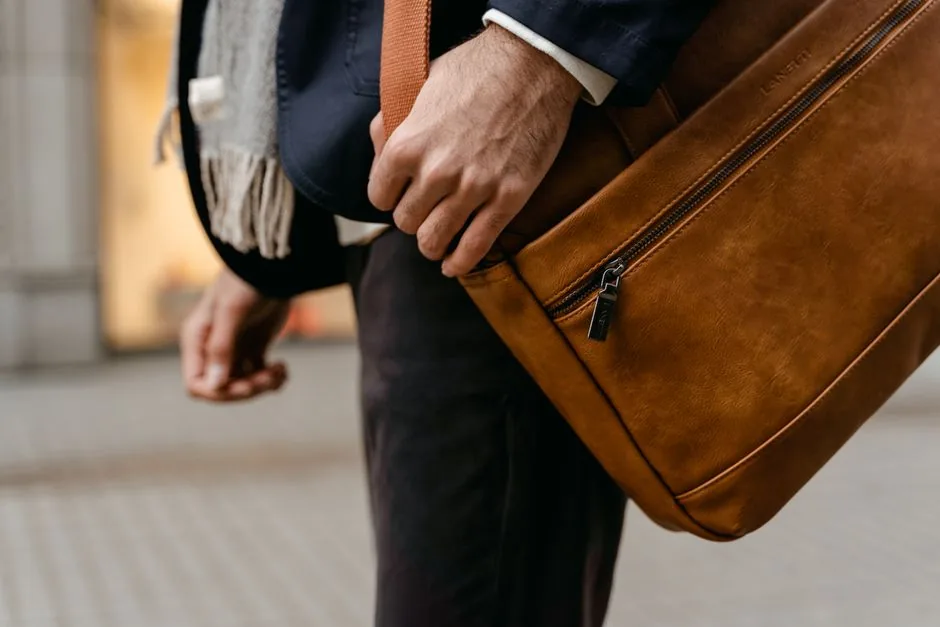
Next, build a small “first 24 hours” kit. That means one change of underwear, a clean t-shirt, travel-sized toiletries, and any prescription meds in their original labeled bottles. If your checked bag disappears, this kit buys you a full day without emergency shopping.
Finally, carry physical backups. Print your hotel confirmation, keep a spare credit card separate from your wallet, and store a photocopy of your passport in a different pocket than the passport itself. Phones die. Paper doesn’t.
The 10-item core list
- Passport, visa documents, and boarding pass
- Wallet with two payment methods
- All prescription medications
- Phone, charger, and a power bank
- Laptop or tablet
- One change of clothes
- Travel toiletry kit (TSA-compliant)
- Universal power adapter
- Reusable water bottle (empty)
- Noise-canceling earbuds or headphones
Liquids, Electronics, and TSA Rules You Must Know
Security rules trip up more travelers than any other packing mistake. In the United States, the TSA 3-1-1 rule limits liquids, gels, and aerosols to containers of 3.4 ounces (100 ml) each, all fitting inside one quart-sized clear bag. The UK and EU follow the same 100 ml limit, though some airports with new CT scanners — like London City and Shannon — now allow larger volumes. Check your departure airport before you fly.
Medications deserve special attention. You can carry medically necessary liquids over 100 ml, but declare them at screening. Keep pills in original pharmacy packaging to avoid questions at international borders, especially in countries with strict rules like Japan and the UAE.
Electronics: what stays accessible
Laptops and large tablets must come out at most checkpoints unless you use a TSA PreCheck lane. Pack them near the top of your bag in a sleeve you can pull out in two seconds. Power banks, however, must always stay in your carry on — never in checked luggage — because lithium batteries pose a fire risk in the cargo hold. The FAA limits spare lithium batteries to 100 watt-hours for most consumer power banks without airline approval.
Comfort Items That Actually Earn Their Space
Long flights punish your body. The right comfort items turn eight hours in seat 42E from misery into something close to rest. Choose items that compress flat, serve multiple purposes, and weigh almost nothing.
A good travel pillow leads the list. Skip the bulky U-shaped foam versions; a compressible memory foam pillow or an inflatable hybrid packs down to the size of a fist. Add an eye mask and foam earplugs as your baseline sleep kit — together they cost under $30 and work on every red-eye you’ll ever take.
Compression socks matter more than most people realize. On flights longer than four hours, they reduce swelling and lower the risk of deep vein thrombosis, especially for window-seat travelers who move less. Pair them with slip-on shoes so you can remove them easily at security and keep your feet comfortable mid-flight.
Comfort items ranked by value
| Item | Approx. cost | Best for | Packs down to |
|---|---|---|---|
| Memory foam travel pillow | $30–50 | Red-eyes over 6 hours | Fist-sized |
| Noise-canceling earbuds | $60–250 | Any flight | Pocket-sized |
| Compression socks | $15–25 | Flights over 4 hours | Flat, tiny |
| Eye mask + earplugs | $10 | Sleeping in bright cabins | Nearly flat |
| Packable blanket/poncho | $20–35 | Cold cabins, layovers | Water bottle-sized |
| Footrest hammock | $15 | Tall travelers in economy | Flat |
What to Skip: Items That Waste Space
Just as important as what to pack is what to leave behind. Overloaded carry ons slow you down at security, strain your shoulders through terminals, and may trigger gate-check fees on full flights.
Skip full-size toiletries, hair dryers (every hotel has one), more than one book (use an e-reader), and bulky jacket weights — wear your heaviest layer on the plane instead. Likewise, skip food that smells, glass bottles, and wrapped gifts, since security may unwrap them. Wrap presents at your destination instead.
Also reconsider duplicates. You need one charger per device type, not one per bag. And unless you’re traveling somewhere with unreliable water, skip bottled water entirely; bring an empty reusable bottle and fill it at a fountain past security.
Packing Your Carry On Like a Pro
Organization beats volume. Use packing cubes or zip-top bags to create zones: one for electronics and cables, one for toiletries, one for the spare outfit. This system lets you find anything in seconds, whether you’re mid-flight or standing at a security bin.
Follow a simple layering strategy. Place the liquids bag and electronics near the top or in an exterior pocket for fast screening access. Keep your spare outfit flat along the back panel. Store your passport, phone, and wallet in the same pocket every single time — muscle memory prevents the frantic pat-down search at boarding.
If you’re shopping for the right bag in the first place, our guides on the best carry on luggage and hard vs. soft luggage break down size limits, durability, and which shell material suits your travel style. For international trips specifically, check our deep dive on the best luggage for international travel, since many foreign carriers enforce smaller carry on dimensions than US airlines.
Size limits cheat sheet
| Airline type | Typical carry on limit | Personal item |
|---|---|---|
| US majors (Delta, United, American) | 22 x 14 x 9 in | Small backpack |
| Budget EU (Ryanair free allowance) | Small bag only | 16 x 9 x 7 in |
| Full-service EU (Lufthansa, BA) | 22 x 18 x 10 in | Handbag/laptop bag |
| Asian carriers (Singapore, ANA) | 22 x 14 x 9 in | One small bag |
Always verify dimensions on your carrier’s website before flying, because enforcement varies widely and fees for oversize bags climb fast.
Carry On Essentials for Specific Travelers
Your kit should flex to fit your situation. Parents flying with infants need extra diapers, wipes, formula (exempt from liquid limits when traveling with a baby), and a change of clothes for themselves, not just the child. Business travelers should prioritize a garment sleeve, spare shirt, and presentation-ready accessories. Solo female travelers often add a crossbody bag that works in flight and on arrival streets.
If you have medical needs, pack an inhaler, EpiPen, insulin with a cooler pouch, or a CPAP machine — airlines count medical devices as separate from your carry on allowance on most carriers. Frequent long-haul flyers should add electrolyte tablets, lip balm, and facial moisturizer, since cabin humidity drops below 20 percent and dehydrates you fast.
FAQ: Carry On Essentials
Can I bring a razor in my carry on?
Yes, disposable razors and cartridge razors (like Gillette Fusion) pass security in both carry on and checked bags. However, safety razors with removable blades and straight razors must go in checked luggage. Remove the blade from a safety razor body if you want to carry just the handle.
How many 3 oz bottles can I bring on a plane?
You can bring as many 3.4-ounce containers as fit inside one quart-sized clear bag. In practice, that’s seven to nine bottles depending on their shape. Each person gets one bag, so a family of four can carry four separate liquid bags.
Is a phone charger allowed in carry on luggage?
Yes, phone chargers, cables, and power banks are all allowed — and power banks are actually required to stay in your carry on. Lithium-ion batteries pose a fire risk in the cargo hold, so airlines prohibit them in checked baggage. Keep watt-hours under 100 Wh for standard power banks.
Should medication go in carry on or checked luggage?
Always carry medication in your carry on or personal item. Checked bags get lost, delayed, and exposed to temperature extremes that can degrade some drugs. Keep pills in original labeled containers, and bring more than you need in case of delays.
What snacks can I bring through airport security?
Solid snacks pass freely: sandwiches, nuts, granola bars, fruit, and pretzels are all fine. Spreads like peanut butter, yogurt, and hummus count as liquids under the 3-1-1 rule. Remember that fresh fruit and meat can’t cross most international borders, so finish them before landing.
Final Thoughts on Building Your Kit
Your carry on essentials list doesn’t need to be long — it needs to be deliberate. Cover your documents, medications, electronics, one spare outfit, and a small comfort kit, and you’ll handle delays, lost bags, and long-haul flights without breaking a sweat. Everything else is negotiable.
Build your kit once, store it in your bag between trips, and update it after every flight based on what you actually used. Within two or three trips, you’ll have a personalized system that works better than any generic list.
Ready to upgrade the bag itself? Browse Staylora’s guides to the best carry on luggage and start packing smarter on your next flight.