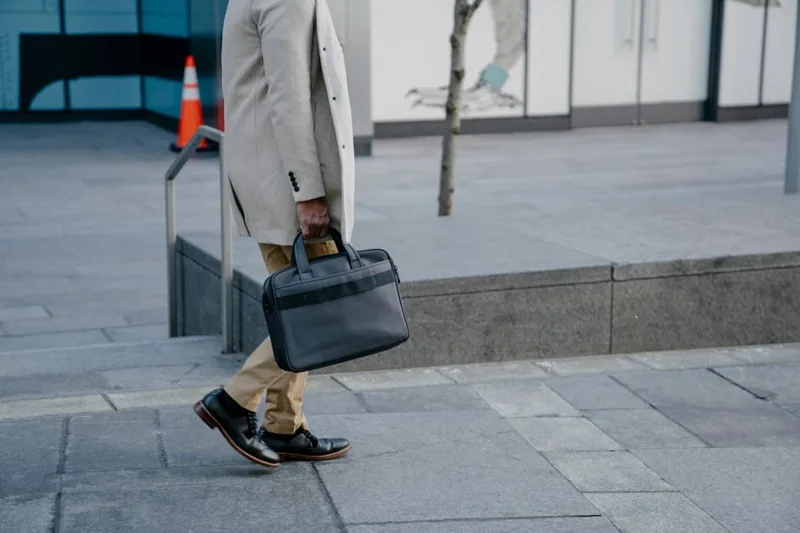
Hard vs Soft Luggage: Which Suitcase Wins for Your Next Trip?
The hard vs soft luggage debate comes down to one question: what do you protect, and what do you squeeze in? Hard-shell suitcases guard fragile items and shrug off rain. Soft-sided bags stretch, expand, and slip into tight overhead bins. Frequent flyers on airlines with strict carry-on rules often lean hard-shell. Backpackers and over-packers usually choose soft. Your travel style decides the winner.
I have dragged both types across six continents. My polycarbonate spinner survived a monsoon in Mumbai and a rough baggage handler in Nairobi. Meanwhile, my battered soft duffel squeezed into a bus luggage rack in Peru where a rigid case simply would not fit. Neither is universally better. However, one is definitely better for you. Below, I break down the real differences — durability, weight, storage, security, and price — so you can buy with confidence.

Hard vs Soft Luggage: The Quick Comparison
Before we dig into details, look at the headline differences side by side. This table summarizes what matters most to travelers.
| Feature | Hard-Shell Luggage | Soft-Sided Luggage |
|---|---|---|
| Typical shell material | Polycarbonate, aluminum, ABS | Ballistic nylon, polyester, Cordura |
| Weight | Medium to heavy (aluminum is heaviest) | Usually lighter |
| Durability | Excellent impact resistance; can crack | Absorbs bumps; fabric can tear or scuff |
| Storage flexibility | Fixed shape; no give | Expands; exterior pockets |
| Water resistance | Excellent | Fair to good (coated fabrics) |
| Security | Integrated TSA locks; zippers harder to pierce with a case | Zippers more vulnerable; use locks |
| Overhead bin fit | Rigid; can be awkward | Squeezes into tight spaces |
| Price range | $80–$700+ | $50–$500+ |
| Best for | Fragile items, city breaks, checked bags | Budget airlines, road trips, over-packers |
Keep this table handy as you read. Each row gets a full explanation below.
Durability: Which Suitcase Survives the Baggage Handlers?
Hard shells take the hits
Polycarbonate cases flex on impact and bounce back. That is why brands like Away, Samsonite, and Rimowa build spinners from it. A hard shell also protects souvenirs, electronics, and wine bottles in your checked bag. Aluminum cases, like classic Rimowa models, last decades. On the other hand, they dent, and dents do not pop back out. Cheap ABS plastic is the weak link. It cracks under real abuse, so skip bargain-bin hard shells if you check your bag often.
Soft bags bend instead of breaking
Quality ballistic nylon, like the fabric in Travelpro and Briggs & Riley bags, resists tears and abrasion surprisingly well. A soft bag absorbs impact rather than transmitting it. Sooner or later, though, fabric scuffs, zippers strain, and seams wear. The good news? Most soft luggage is repairable. Briggs & Riley even offers a lifetime warranty that covers airline damage. In my experience, a mid-range soft bag outlasts a cheap hard shell every time.
Verdict: Hard shells win for protecting contents. Soft bags win for long-term repairability. For deep dives into trusted models, see our guide to the /best-luggage-for-international-travel/.
Weight and Airline Restrictions
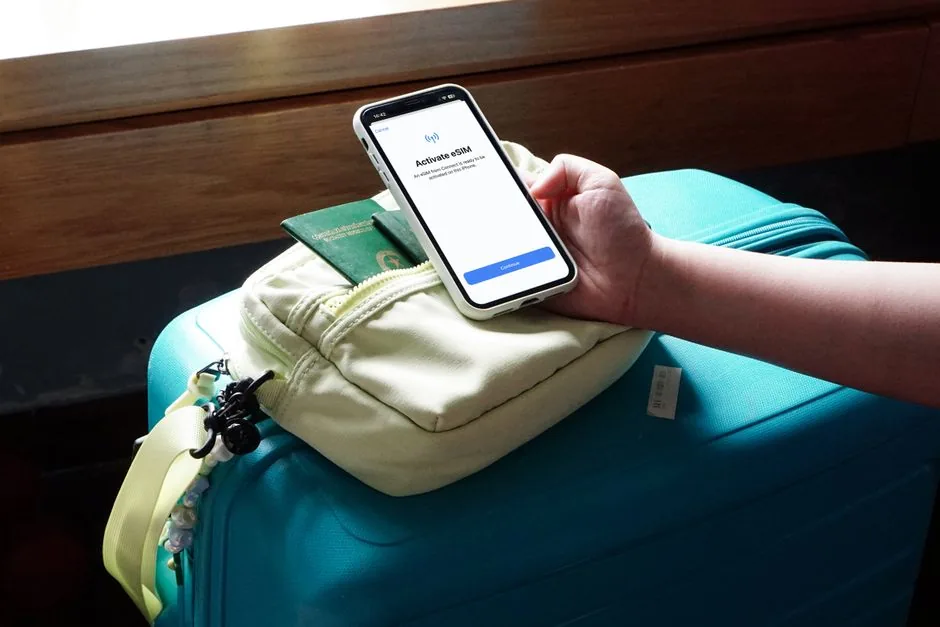
Every ounce counts when airlines charge overweight fees. Here, soft luggage usually wins. A typical 25-inch softside checked bag weighs 7 to 9 pounds. Comparable polycarbonate cases weigh 9 to 11 pounds. Aluminum? Often 12 pounds or more before you pack a single sock.
That difference matters most for carry-ons. Budget carriers like Ryanair and Spirit enforce strict weight limits — sometimes as low as 22 pounds. A light soft bag gives you more allowance for actual belongings. Furthermore, soft bags compress. If the overhead bin looks full, a soft duffel squeezes into gaps a rigid spinner cannot. Check your airline’s exact size and weight rules before you fly; the TSA’s official site and your carrier’s baggage page list current limits.
Verdict: Soft luggage wins on weight. Hard shells have improved, yet aluminum remains a heavyweight.
Storage Space and Packing Flexibility
Soft bags earn their keep here. First, most softsides include exterior pockets — perfect for a jacket, documents, or a water bottle you need at the gate. Second, many expand by 15 to 25 percent through zippered gussets. Bought too many souvenirs? Unzip and go. Third, soft fabric has give. You can wedge in one more pair of shoes because the walls flex.
Hard shells, by contrast, offer clean rectangular interiors on both sides. Many travelers actually prefer this. Packing cubes sit flat, and the clamshell design keeps everything visible at once. Nevertheless, the shape is fixed. Once the case is full, it is full.
Verdict: Soft wins for flexibility and expansion. Hard wins for organized, structured packing. Either way, our /carry-on-essentials/ checklist helps you fill the space wisely.
Security and Weather Protection
Theft resistance
Hard shells resist slash-and-grab theft. A thief with a blade cannot slice through polycarbonate the way they can through nylon. Zipper puncturing remains a risk on any zippered bag, unfortunately. Therefore, choose hard cases with TSA-approved locks and anti-theft zippers. Soft bags need lockable zippers and common sense. Never pack valuables in any checked bag, regardless of shell type.
Rain and rough weather
Hard shells laugh at rain. Your clothes stay dry even if your bag sits on a wet tarmac for an hour. Soft bags vary. Coated nylon handles drizzle fine, yet a serious downpour soaks through zippers and seams. If you travel to rainy destinations — think Southeast Asia in monsoon season or the UK in November — a hard shell offers real peace of mind.
Verdict: Hard shells win both categories clearly.
Price and Value for Money
Soft luggage dominates the budget tier. Decent softsides start around $50, and well-made mid-range options run $100 to $200. Hard shells start slightly higher, though polycarbonate prices have dropped sharply. Today, solid hard-shell spinners cost $90 to $180. Premium materials change the math. Aluminum cases cost $500 to $1,000 plus. Likewise, premium softsides from Briggs & Riley approach similar prices.
Think about value over time instead of sticker price. A $150 case that lasts ten years beats a $60 case replaced every two years. Additionally, check warranties before buying. Lifetime coverage, like Briggs & Riley’s or Eagle Creek’s, adds serious value. For carry-on-specific picks at every price point, browse our /best-carry-on-luggage/ roundup.
Which Type Fits Your Travel Style?
Still undecided? Match your habits to the profiles below.
Choose hard-shell luggage if you:
- Check your bag on most flights
- Carry fragile items, electronics, or bottles
- Travel to rainy or snowy destinations
- Take city breaks and smooth-surface trips
- Want maximum theft and weather protection
Choose soft-sided luggage if you:
- Fly budget airlines with weight limits
- Pack to the limit and need expansion
- Take road trips, train travel, or adventure trips
- Need exterior pockets for grab-and-go items
- Want the lightest possible bag
Traveling with kids? Soft bags handle the chaos better. Public transport in Europe? Hard spinners roll beautifully on platforms and cobblestones — well, mostly. Those wheels struggle on true cobblestones, so factor that in for cities like Rome or Lisbon.
Real-World Scenarios That Settle the Debate
Consider three common trips. First, a two-week European city hop with train connections: a hard-shell carry-on rolls through stations and protects your belongings. Second, a domestic budget flight with a strict 40-pound limit: a light soft bag saves fees. Third, an overland adventure through South America: a soft duffel survives roof racks, boat decks, and dusty storage holds.
Airline rules also matter. Full-service carriers, tracked through IATA’s travel information hub, generally handle both types equally. Budget carriers punish weight, which favors soft. Luxury travel favors hard shells’ polished look. Honestly, many frequent travelers own one of each — a hard-shell for checked international trips and a soft carry-on for short hops.
FAQ: Hard vs Soft Luggage
Is hard or soft luggage better for international flights?
Hard-shell luggage performs better for most international flights. You will likely check the bag, and baggage handlers are not gentle. Hard shells protect contents, resist rain on the tarmac, and hold up over long journeys. However, if your international trip involves budget carriers or internal flights with weight limits, a lighter soft bag saves money.
Do airlines prefer hard or soft luggage?
Airlines accept both types without preference. Their rules cover size, weight, and contents — never material. Still, soft bags often fit better into full overhead bins because they compress. Hard spinners roll more smoothly through airports. Focus on your carrier’s dimensional limits rather than shell type.
Can soft luggage be waterproof?
Not fully waterproof, no. Most soft luggage uses water-resistant coated fabric that handles light rain. Heavy rain eventually soaks through zippers and seams. Some duffels, like certain The North Face and Patagonia models, come close with welded seams and storm flaps. For guaranteed dryness, pack valuables in dry bags inside your suitcase.
Which lasts longer, hard or soft suitcases?
High-quality versions of both last 10 years or more. Polycarbonate hard shells resist cracking and scuffing for years. Premium ballistic nylon softsides survive decades of abuse and remain repairable. The shortest lifespan belongs to cheap ABS hard shells, which crack easily. Buy mid-range or better, and either type will serve you long-term.
Is hard-shell luggage heavier than soft?
Usually, yes. Soft bags typically weigh 2 to 4 pounds less than similar hard shells. Aluminum tops the scale at 12 or more pounds empty. Polycarbonate sits in between. Weight differences matter most on airlines with strict carry-on limits, so check your airline before choosing.
Conclusion: Make the Call and Pack
The hard vs soft luggage decision hinges on your trips, not on marketing. Protect fragile items, check bags often, and face rough weather? Go hard-shell. Pack heavy, fly budget airlines, and crave flexibility? Go soft-side. Honestly, the best answer for frequent travelers is owning one of each. Buy mid-range quality from a reputable brand, verify your airline’s size limits, and your suitcase will outlast a decade of adventures.
Ready to pick your perfect bag? Start with our detailed /best-luggage-for-international-travel/ guide, then build your packing list with our /carry-on-essentials/ checklist. Your next trip deserves luggage that works as hard as you do.