Airbnb Hosting Tips for Beginners: How to Launch Your First Listing Successfully
The best Airbnb hosting tips for beginners come down to five things: price competitively at launch, photograph your space in daylight, respond to guests within an hour, write a listing that answers questions before they are asked, and set clear house rules from day one. Get those right, and your first five-star review becomes far easier to earn. That first review matters most, because new listings without reviews struggle to rank in search results.
Maybe you have a spare room in Austin, a basement suite in Denver, or a cabin near Lake Arrowhead sitting empty most of the year. Whatever the space, the learning curve feels steep at first. However, thousands of first-time hosts figure it out every month, and the ones who succeed follow a predictable pattern.
This guide walks you through that pattern step by step. You will learn how to prepare your property, price it, photograph it, and manage guests without burning out. Additionally, you will find answers to the questions new hosts ask most often.
Prepare Your Space Before You List Anything
Preparation separates hosts who thrive from hosts who quit after one chaotic summer. So, start with a walk-through of your property. Look at it through the eyes of a paying guest, not an owner.
First, fix everything that is broken. A wobbly toilet handle or a dead lightbulb becomes a one-star review faster than you think. Next, declutter ruthlessly. Remove personal photos, medications, and anything valuable or sentimental. Then, add the essentials guests expect: reliable Wi-Fi, blackout curtains, extra blankets, and a coffee maker.
Build a starter supply kit
Stock these before your first booking:
- Fresh linens and two sets per bed
- At least four towels per guest slot
- Toilet paper, paper towels, and trash bags
- Basic toiletries (shampoo, soap, body wash)
- Dish soap, sponges, and cleaning supplies
- A first-aid kit and a fire extinguisher
Furthermore, check your local rules. Many cities require a permit or business license for short-term rentals. For example, Los Angeles enforces Home-Sharing Ordinance registration, and Paris caps rentals at 120 nights per year. Consequently, a quick call to your city hall can save you from serious fines later.
Take Photos That Sell the Experience

Your photos decide whether travelers even open your listing. In fact, listings with high-quality images earn notably more bookings than those with dim phone snapshots. Therefore, treat photography as your biggest launch investment.
Shoot in daylight, between mid-morning and early afternoon. Turn on every lamp to warm the rooms. Capture every space, including the bathroom and any outdoor area. Moreover, stage each shot: fold towels neatly, make the bed with hospital corners, and put a croissant next to the coffee pot. Small details signal care.
If your budget allows, hire a professional real estate photographer. Most charge $150 to $350 for a shoot, and the investment pays for itself within a booking or two. Alternatively, use a modern smartphone with a wide-angle lens, keep it at chest height, and avoid mirrors that catch your reflection.
Your cover photo matters most of all. Choose your strongest room, usually the living area or a view. After that, order the remaining photos to tell a story: exterior, living space, kitchen, bedrooms, bathroom, then amenities.
Write a Listing That Answers Questions First
Guests book listings that feel trustworthy. So, write your description like a helpful host, not a salesperson. Lead with your strongest selling point, whether that is location, views, or a hot tub. After that, describe each room briefly, then cover practical details.
Include specifics. “Walkable neighborhood” means nothing. Instead, write “8-minute walk to the Broadway dining strip and 2 blocks from the N bus to downtown.” Similarly, mention exact distances to airports, attractions, and grocery stores.
Set honest expectations too. If your street gets traffic noise, say so. Guests forgive quirks they knew about. Meanwhile, they punish surprises with bad reviews. Finally, list your amenities accurately in the checkbox section, because guests filter searches by Wi-Fi speed, free parking, and pet policies.
Price Your First Bookings to Win Reviews
Pricing stumps more new hosts than any other task. Naturally, you want maximum income. However, an empty calendar earns nothing. At launch, you need bookings and reviews more than you need premium rates.
Start by researching comparable listings within one mile of your property. Note their size, condition, and review counts. Then, price your listing 10 to 20 percent below those comps for your first month. Yes, you will earn less. Nevertheless, you will fill your calendar and collect the reviews that unlock higher prices.
Sample launch pricing strategy
| Phase | Goal | Price vs. Comps | Minimum Stay |
|---|---|---|---|
| Week 1–4 | Get first 3 reviews | 15–20% below | 1–2 nights |
| Month 2–3 | Build momentum | 5–10% below | 2 nights |
| Month 4+ | Optimize income | At or above comps | 2–3 nights |
| Peak season | Maximize revenue | 10–20% above | Varies by demand |
Additionally, keep your calendar synced and your cancellation policy moderate at first. A flexible policy increases early bookings. Later, once reviews accumulate, you can tighten it to strict if your market supports that.
Master Guest Communication From Day One
Fast, friendly communication drives your response rate, and Airbnb’s algorithm rewards it with better search placement. Therefore, respond to every inquiry within an hour whenever possible.
Send a pre-booking template that answers common questions: check-in time, parking, and whether the space is private. Then, after booking, send a welcome message with check-in instructions, Wi-Fi passwords, and your phone number. On arrival day, check in with a short message. Finally, the day before checkout, share departure instructions.
This rhythm takes ten minutes total. Yet it prevents 90 percent of guest problems, because most complaints start with confusion rather than actual defects.
Handle problems like a professional
Something will eventually break or go wrong. When it does, respond fast, apologize once, and fix it. A broken coffee maker handled well often earns a five-star review anyway. On the other hand, a slow response to a small problem guarantees a bad one. For urgent issues you cannot solve remotely, keep a local handyman and cleaner on speed dial.
Automate Cleaning and Operations
Turnover fatigue ends more hosting careers than bad guests do. Consequently, build systems early rather than doing everything yourself.
Hire a professional cleaner experienced in short-term rentals, typically $50 to $100 per turnover for a one-bedroom. Give them a printed checklist: strip linens, restock supplies, wipe every surface, and photograph the finished rooms. Those photos protect you if a guest claims the space was dirty.
Next, install a smart lock or lockbox. Self-check-in removes scheduling stress and lets guests arrive late without calling you. Furthermore, create a digital guidebook covering Wi-Fi, appliances, trash days, and local recommendations. Airbnb lets you attach one to every reservation, which cuts repetitive questions dramatically.
Protect Yourself With Rules and Insurance
Clear house rules prevent most conflicts. So, decide your stance on pets, parties, smoking, and extra guests before you publish. State each rule plainly in your listing. Then, enforce rules consistently, because guests who see rules ignored invite more guests.
Never rely on your homeowner’s policy alone. Most standard policies exclude commercial short-term rental activity. Instead, check whether Airbnb’s AirCover for Hosts covers your situation, and talk to an insurance agent about a short-term rental policy. Companies like Proper Insurance and Safely specialize in this niche.
Additionally, set security deposits where your market allows them, and always document your property’s condition with photos between stays. Evidence wins disputes.
Scale Up With Smart Tools and Travel Insights
Once you handle your first ten stays comfortably, look at tools that save time. Dynamic pricing services like PriceLabs or Airbnb’s built-in Smart Pricing adjust your rates nightly based on demand. Channel managers sync calendars across multiple platforms if you also list on Vrbo or Booking.com.
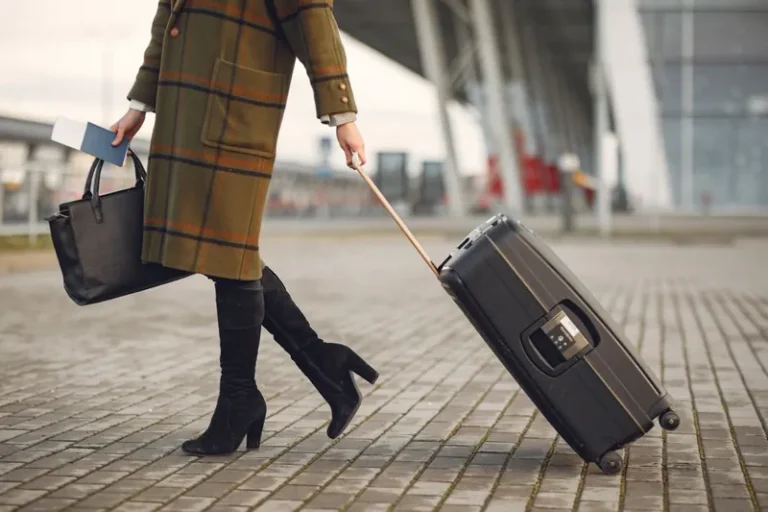
Meanwhile, study travel trends in your area. For instance, if your city draws international visitors, consider adding luggage storage space and universal power adapters, since travelers often research packing decisions long before they book. Understanding what guests pack and need helps you anticipate their expectations, and guides like our best luggage for international travel reveal what long-haul visitors actually bring through your door.
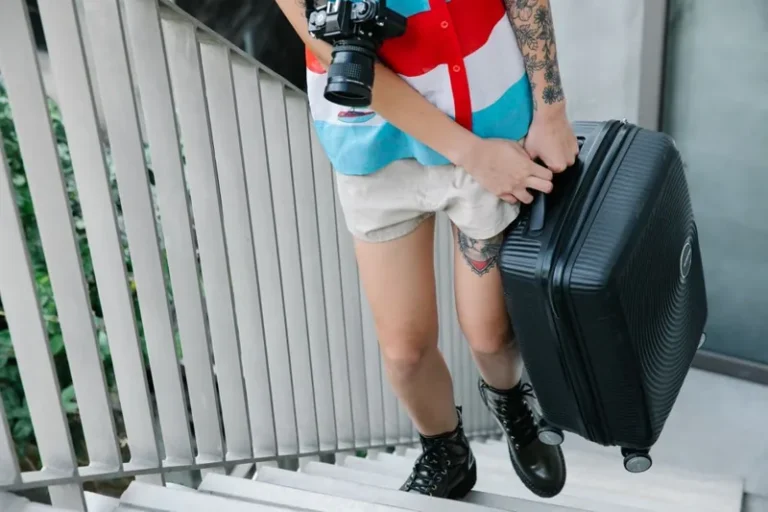
Likewise, guests who fly in with carry-on-only bags often value laundry access highly. Our comparisons of hard vs. soft luggage and the best carry-on luggage offer useful insight into how your guests travel and what amenities they appreciate most.
FAQs About Airbnb Hosting for Beginners
How much can a beginner Airbnb host earn?
Earnings vary widely by market. A spare room in a mid-size city might gross $500 to $1,200 monthly, while an entire home in a tourist destination can gross $2,000 to $5,000 or more. However, subtract cleaning costs, supplies, utilities, taxes, and platform fees of roughly 3 percent. Most hosts keep 60 to 75 percent of gross revenue.
Do I need permission or a license to host on Airbnb?
Often, yes. Many cities require permits, registration numbers, or business licenses for short-term rentals. Some limit the number of rental nights per year. Check your city’s official website or Airbnb’s responsible hosting page for your area before listing. Ignoring local rules risks fines and listing removal.
Should I rent my whole home or just a private room?
Start with whichever fits your comfort level. A private room means lower income but shared-space headaches and more guest interaction. An entire home earns more but carries more risk and higher turnover costs. Many beginners start with a room, learn the ropes, then expand to whole-home rentals.
What is the biggest mistake new Airbnb hosts make?
Overpricing at launch, hands down. New listings without reviews sit empty at premium rates, and empty calendars hurt your ranking. Instead, price below comparable listings for your first month, collect reviews quickly, then raise rates gradually.
How do I get my first booking fast?
Price 15 to 20 percent below comps, respond to every inquiry within an hour, and use bright daylight photos. Additionally, enable Instant Book if you are comfortable with it, because it removes friction and Airbnb promotes Instant Book listings more aggressively.
Start Hosting With Confidence
Becoming a successful host is less about luck and more about preparation. Price low to earn those first reviews. Photograph in daylight. Communicate quickly. Automate turnovers. Protect yourself with rules and proper insurance. Follow these Airbnb hosting tips for beginners, and your first five-star review will arrive sooner than you expect.
Ready to plan your next step, whether hosting or traveling? Explore more practical guides on Staylora, and check Airbnb’s official host resources or your local tourism board, such as Visit California, for market-specific insights. Your hosting journey starts with one well-prepared listing.